





Table of Contents
- What Makes Corporate Merchandise Worth Keeping — From a Brand Perspective
- The Core Problem: Why Most Promotional Corporate Merchandise Fails
- The Strategic Shift: From Logo Placement to Brand Architecture
- Business Impact: Measurable Outcomes of Strategic Corporate Merchandise
- Sustainability & Modern Brand Expectations
- Procurement Strategy in India
- Strategic Takeaway
- FAQ (Optimized for AEO & Featured Snippets)
What Makes Corporate Merchandise Worth Keeping — From a Brand Perspective
Corporate merchandise often begins with good intent and ends with limited impact. Boxes are ordered, logos are printed, and promotional corporate merchandise is distributed at scale. Yet weeks later, most of those products are forgotten, misplaced, or discarded.
The issue isn’t corporate swag itself. It’s the mindset behind it.
When promotional corporate merchandise and employee swag are treated purely as distribution tactics, they become transactional. When they are treated as part of a broader brand architecture and employee engagement strategy, they become long-term brand assets.
For marketing and brand leaders, the question is no longer:
“What should we give?”
It is:
“What brand story are we reinforcing through our branded merchandise?”
The Core Problem: Why Most Promotional Corporate Merchandise Fails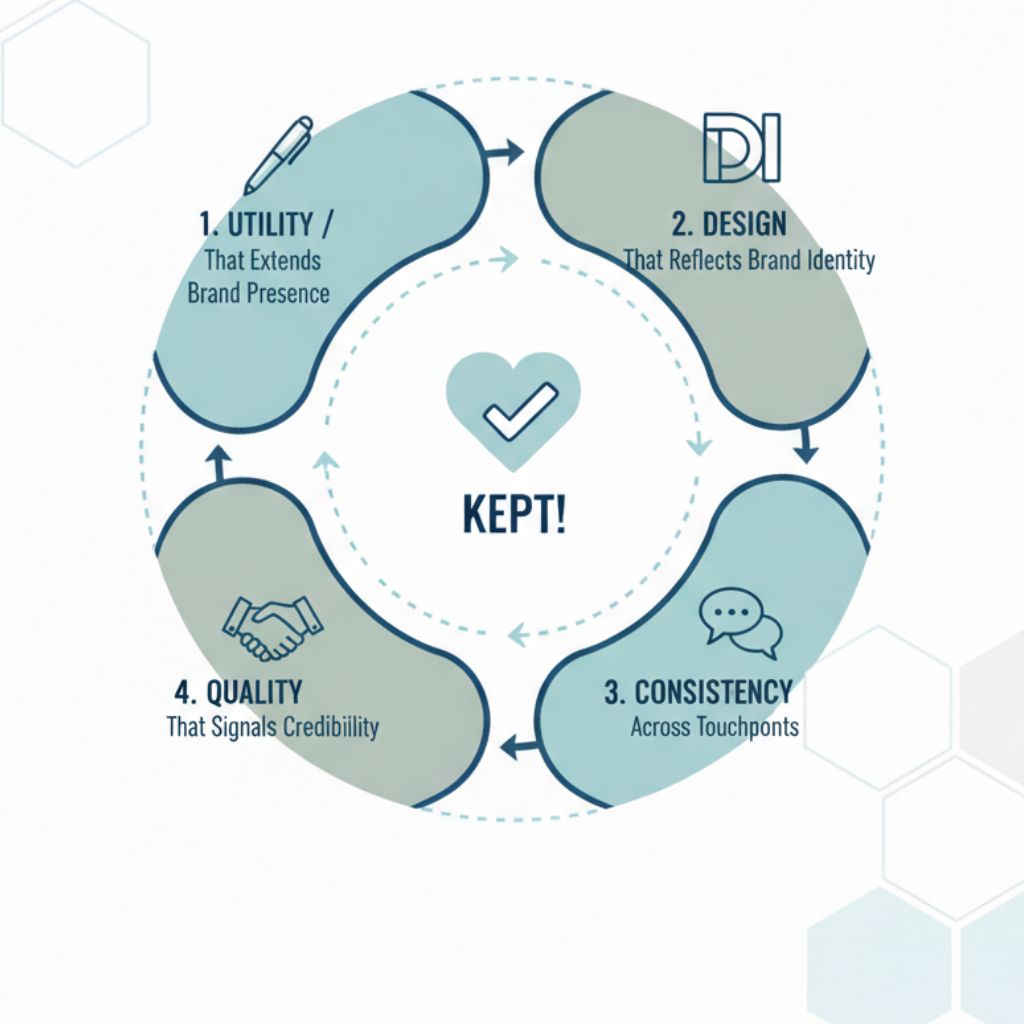
From a brand perspective, generic corporate swag underperforms for predictable reasons.
1. Lack of Brand Alignment
A logo placed on a random product does not equal representation. If the visual language, typography, color palette, and tone do not reflect the organization’s identity, the item feels disconnected.
Strong branded merchandise must mirror the same design standards used in digital assets, leadership presentations, and office interiors.
2. Low Perceived Value
Cheap materials and mass-produced aesthetics subtly signal low investment. That perception transfers directly to the brand.
When employee swag feels inexpensive, the organization’s positioning weakens.
Quality in corporate merchandise is not cosmetic — it is reputational.
3. No Functional Relevance
Items without everyday utility rarely remain visible.
The most used and retained items typically include:
- Branded office supplies
- Corporate calendars & desk gifts
- Premium notebooks
- High-quality drinkware
- Useful corporate promotional items
If merchandise isn’t part of daily workflow, it won’t reinforce the brand.
4. Volume Over Strategy
Many organizations focus on bulk production instead of thoughtful curation of custom corporate gifts and personalized corporate merchandise.
Brand assets require intention — not overproduction.
When corporate merchandise lacks strategy, it becomes clutter.
When it lacks quality, it diminishes credibility.
The Strategic Shift: From Logo Placement to Brand Architecture
Effective corporate merchandise is not about distribution. It is about structured corporate gifting ideas aligned with employer branding initiatives.
The shift is simple:
Move from logo placement
to brand reinforcement.
1. Utility That Extends Brand Presence
The most effective promotional corporate merchandise integrates naturally into everyday environments.
Examples include:
- Premium corporate calendars & desk gifts
- Functional branded office supplies
- Curated welcome kits
- Durable tote bags
These are not giveaways — they are recurring brand touchpoints.
This is how you choose corporate merchandise employees will keep.
2. Design That Reinforces Identity
Design is not decoration. It is brand language.
Minimal, premium aesthetics aligned with corporate guidelines strengthen internal brand communication.
Onboarding kits featuring branded apparel for employees, milestone-based employee recognition gifts, or thoughtful custom photo gifts for employees create emotional connection.
Well-designed personalized corporate merchandise increases retention because it carries identity, not just branding.
3. Consistency Across Touchpoints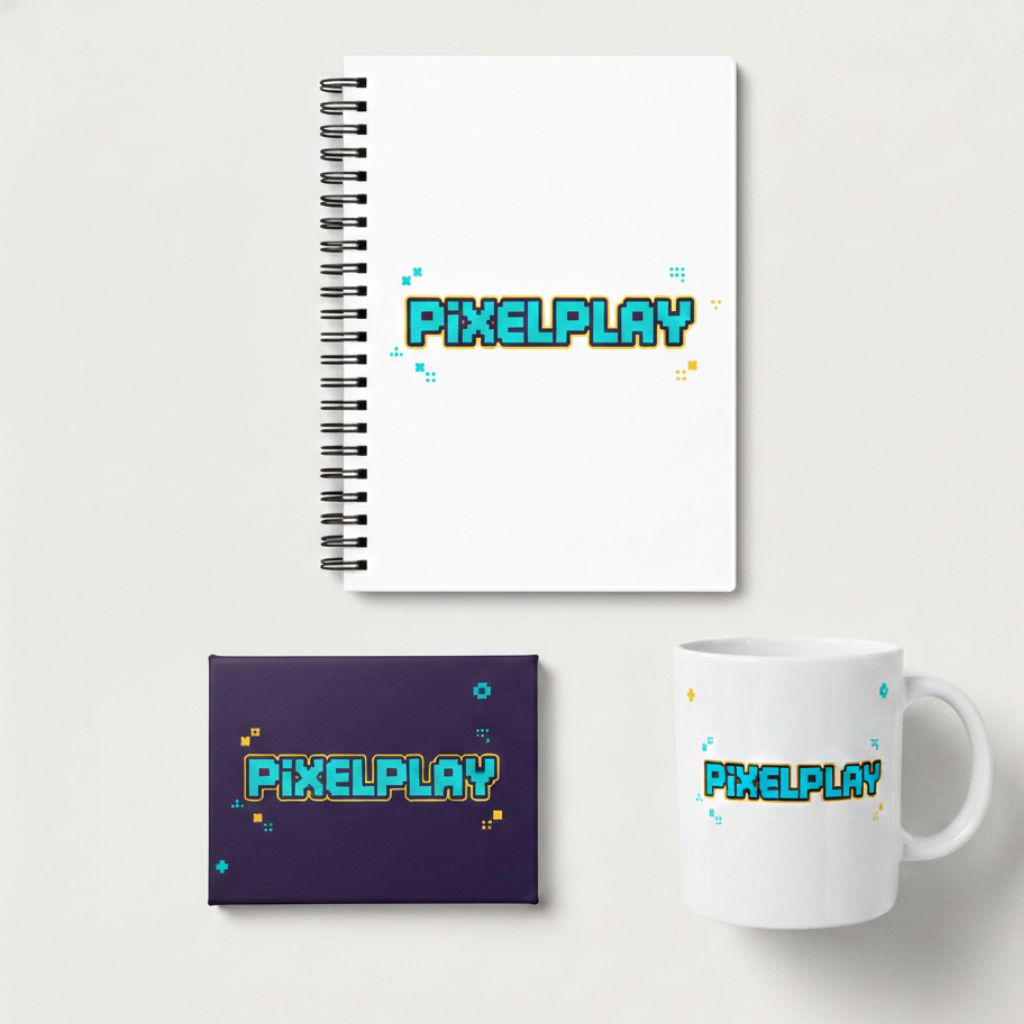
Strong brands operate as integrated systems.
Your corporate merchandise should align with:
- Event branding
- Digital communication
- Office environments
- Leadership collateral
Examples include:
- Corporate yearbooks / employee yearbooks
- Executive welcome kits
- High-quality corporate promotional items
- Branded milestone photobooks
Individually small. Collectively powerful.
Consistency builds recognition.
Recognition builds trust.
4. Quality Signals Credibility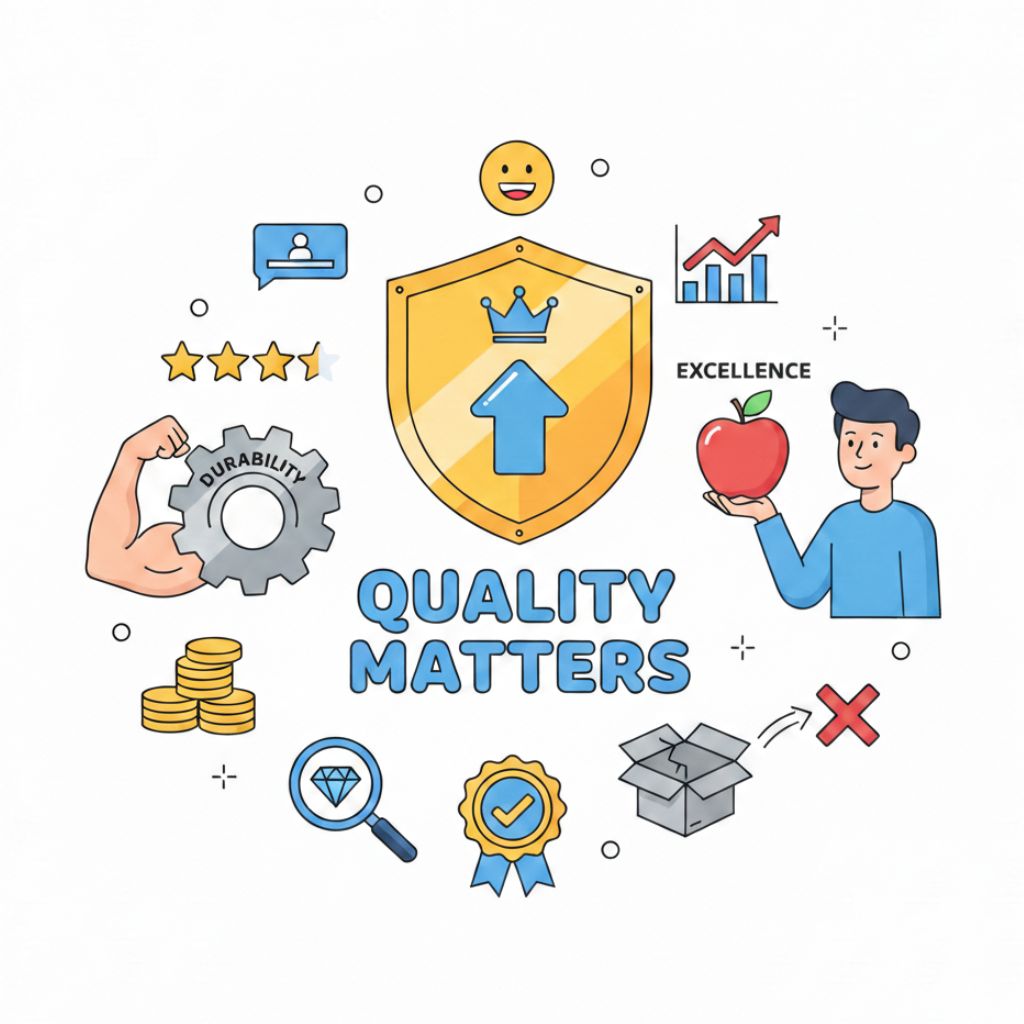
Quality is non-verbal communication.
Premium finishes. Durable materials. Refined execution.
When stakeholders receive well-crafted branded merchandise, it communicates operational maturity.
Poor execution weakens authority.
Premium execution strengthens positioning instantly.
From a brand strategy perspective, quality corporate swag is positioning.
Business Impact: Measurable Outcomes of Strategic Corporate Merchandise
When executed strategically, corporate merchandise drives measurable results:
- Stronger long-term brand recall
- Higher perceived organizational value
- Increased stakeholder credibility
- Improved internal engagement
- More consistent brand storytelling
Strategic promotional corporate merchandise supports measurable KPIs within corporate gifting programs and employer branding strategies.
Over time, retained employee swag becomes silent brand reinforcement — working continuously without additional media spend.
Sustainability & Modern Brand Expectations
Modern enterprises increasingly prioritize:
- Eco friendly corporate merchandise
- Sustainable promotional products for employees
- Reusable branded tote bags for corporate gifting
Responsible production strengthens perception and aligns with ESG expectations.
Sustainable branded merchandise is no longer optional — it reflects leadership values.
Procurement Strategy in India
For enterprises sourcing bulk corporate gifts online or evaluating vendors across India, alignment and execution matter more than cost alone.
Strategic considerations include:
- Lead time planning
- Premium production standards
- Consistency across large orders
- Vendor understanding of brand architecture
Organizations seeking structured solutions often explore:
- Photojaanic corporate gifts
- Photojaanic corporate merchandise
- Photojaanic corporate gifting India
- Photojaanic business gifts bulk
- Photojaanic custom corporate photo books
From curated executive photobooks to premium desk essentials, consistency and finish remain central to impact.
Strategic Takeaway
Corporate merchandise should not be treated as a procurement exercise.
It should be treated as a brand architecture tool.
The goal is not distribution.
The goal is sustained visibility.
The goal is not volume.
The goal is alignment.
When curated strategically, corporate swag, employee swag, and premium branded merchandise become physical extensions of brand identity — embedded into everyday environments and long-term corporate milestones.
In a landscape of fragmented digital attention, physical brand assets hold enduring power.
When designed with intention, corporate merchandise does not sit in storage.
It sits on desks.
On shelves.
In boardrooms.
And with every glance, it reinforces the brand behind it.
FAQ (Optimized for AEO & Featured Snippets)
Do employees like company swag?
Yes — employees value company swag when it is useful, high-quality, and aligned with brand identity. Functional and premium items have higher retention rates.
What swag items do employees keep?
Employees most often keep mugs, premium notebooks, desk calendars, tote bags, and well-designed personalized corporate merchandise.
Are corporate gifts tax deductible in India?
Tax treatment depends on classification and purpose. Businesses should consult tax advisors to determine deductibility under Indian regulations.
Can corporate gifts be personalized with employee photos?
Yes. Custom photo gifts for employees, including photobooks and milestone yearbooks, significantly increase perceived value and emotional retention.





Be the first one to comment